Moline: A Modern Calligraphy Font for Branding Projects
There’s something about starting with a blank brand board that feels both exciting and daunting. It’s like standing at the edge of a creative cliff, ready to leap into the unknown. Recently, I found myself in this very situation while working on a boutique skincare brand’s identity. As I began experimenting with typefaces, Moline caught my eye. It wasn’t just another script font—it had a modern calligraphy feel that felt fresh and versatile.
A Fresh Take on Calligraphy
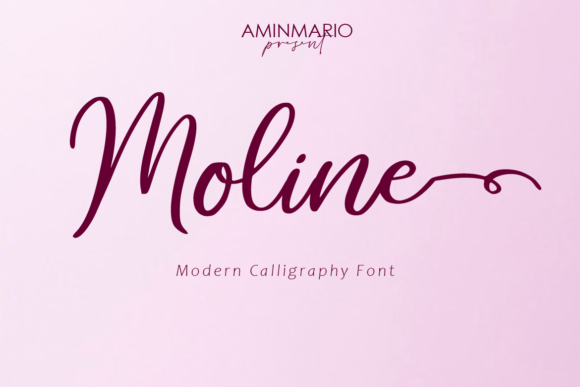
Moline is a modern calligraphy font that brings a sense of elegance without being overly ornate. It comes in two styles: regular and italic, each offering a slightly different tone. The regular version has a clean, balanced structure that works well for logos and headers, while the italic adds a touch of fluidity and movement. What stood out immediately was its multilingual support, which made it a strong candidate for international branding projects.
The visual characteristics of Moline are subtle yet impactful. The strokes have a slight variation in weight, mimicking the natural flow of a hand-drawn script. This gives it a personality that feels both professional and personal, making it suitable for a wide range of creative applications. Its mood is refined but not stuffy, making it ideal for brands that want to convey sophistication without losing warmth.
Testing Moline in Real Projects
I tested Moline across several design elements, including a logo draft, brand board, packaging mockup, business card, website header, and social media layout. In the logo concept, Moline brought a sense of uniqueness and memorability. It worked especially well when paired with a minimalist sans serif font, creating a balance between traditional and contemporary aesthetics.
On the packaging mockup, Moline added a touch of luxury. It looked great on product labels and tags, where it could be used for short phrases or brand names. The font didn’t overwhelm the design but instead became a focal point that drew attention. For the business card, Moline was used as the primary text, complemented by a smaller sans serif for contact information. This helped maintain readability while keeping the overall look cohesive.
When it came to the website header, Moline performed exceptionally well. It was used as a headline font, adding a touch of character to the hero section. On social media graphics, it worked beautifully for quotes and promotional messages, giving them a more personal and engaging feel.
Where Moline Shines and Where It Might Fall Short
Moline is best suited as a display font or headline font. It excels in situations where you want to make an impression—logos, headers, quotes, invitations, and watermarks. However, it may not be the best choice for long body text or small sizes, where readability can become an issue. For formal corporate use, a more structured typeface might be a better fit.
If you're designing a wedding invitation or a stationery set, Moline is a fantastic option. Its soft curves and elegant lines give it a romantic and timeless appeal. It also works well for editorial design, such as magazine headlines or blog titles, where a touch of creativity is desired without sacrificing professionalism.
One thing to keep in mind is that Moline should be tested before using it in final client work. Try it out on various surfaces and sizes to ensure it performs well in different contexts. Also, consider how it pairs with other fonts. A good pairing might be a modern sans serif for body text or a serif font for a more classic look.
Practical Considerations and Tips
Before using Moline in any commercial project, it's essential to check the font licensing agreement. Ensure that it’s appropriate for the intended use, whether it’s for print, digital, or merchandise. If you’re working on a brand identity or packaging design, confirm that the font supports all the languages you need and that it comes in the right file formats for your workflow.
Moline’s support for multiple languages makes it a solid choice for global branding efforts. Whether you're designing for a local café or an international fashion brand, this font can adapt to different linguistic needs without compromising its visual appeal.
In summary, Moline is a versatile and stylish modern calligraphy font that adds a unique flair to branding projects. From logos to social media, it brings a sense of elegance and personality that can elevate your design work. Just remember to test it thoroughly and pair it wisely for the best results.